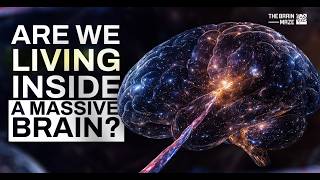
The future of our cosmic canvas is painted in swirling hues of possibility. Will it be a descent into the chilling darkness of a "Big Freeze," where stars sputter and die, leaving galaxies like faded brushstrokes on an eternally expanding, black void? Or perhaps a fiery "Big Crunch," where time rewinds, galaxies collide in a cosmic ballet, and the universe crumples back to a point of unimaginable density, ready to be reborn anew? But maybe, just maybe, the brushstrokes continue forever, driven by the enigmatic hand of "dark energy." Galaxies dance further apart, stars fade into embers, and black holes themselves evaporate, leaving a universe bathed in the ghostly glow of dying heat death. Yet, in the vast emptiness, could quantum fluctuations spark a new Big Bang, painting the canvas anew with galaxies, stars, and life, birthed from the ashes of the old?