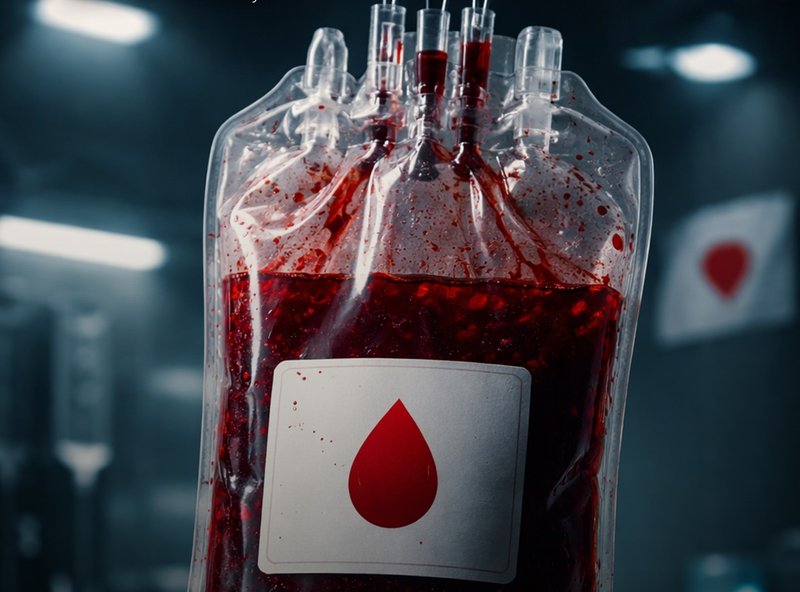
Japanese scientists, led primarily by researchers at Nara Medical University, are developing a universal artificial blood made from expired donor blood.
This innovation uses hemoglobin vesicles (HbVs), where purified hemoglobin is encapsulated in lipid shells that safely transport oxygen through the body.
Because HbVs lack blood-type antigens, they eliminate the need for blood type matching, making them suitable for anyone.
The artificial blood is shelf-stable for long periods and can be stored at room temperature, unlike conventional donated blood.
With clinical trials already underway, researchers aim to have this technology ready for emergency medicine, disaster response, and military use by around 2030.